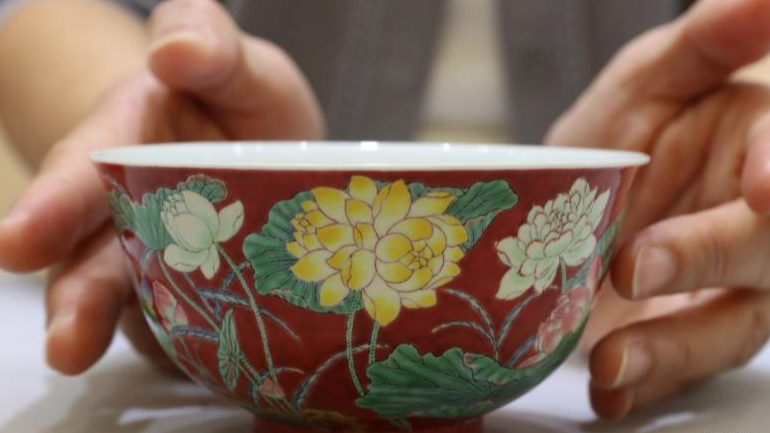
Falangcai Art during the Kangxi Period
Introduction
Falangcai, also known as "foreign colours", refers to a unique and highly regarded form of Chinese porcelain decoration that emerged during the Qing Dynasty (1644-1911). This artistic technique is renowned for its vibrant enamel paintings applied to porcelain surfaces. The Kangxi period, which lasted from 1661 to 1722, marked a significant era for the development and perfection of falangcai artistry. During this time, the Kangxi Emperor played a pivotal role in the advancement of falangcai, striving to perfect the local production of painted enamels.
Historical Background
The Kangxi Emperor, who ascended the throne in 1661, was a patron of the arts and a visionary ruler with ambitions to elevate the quality and craftsmanship of Chinese porcelain. Under his reign, the imperial kilns were tasked with refining and advancing the technique of falangcai. This period witnessed a fusion of Chinese traditional craftsmanship with Western influences, as the art of enamelling was initially introduced to China through European missionaries and imported enamels.
The "Double Lotus" Bowl
One of the most exemplary pieces from the end of the Kangxi period is the "double lotus" bowl, which epitomizes the pinnacle of falangcai art. This exceptional bowl, created possibly in the last year of Kangxi's reign in 1722, exhibits extraordinary craftsmanship and artistic finesse. The "double lotus" design, with its harmonious blend of shape, enamelling and decoration, showcases the technical and aesthetic advancements achieved during this time.
Techniques and Materials
Falangcai art during the Kangxi period involved intricate techniques and the use of high-quality materials. The process required skillful application of colored enamels onto porcelain surfaces, followed by firing at precise temperatures to achieve the desired brilliance and durability. The enamels, often imported, were carefully chosen to create vivid and harmonious color schemes, enhancing the visual appeal of the porcelain.
Significance and Legacy
The development of falangcai during the Kangxi period had a lasting impact on Chinese porcelain art. The exquisite craftsmanship and innovative techniques established a standard of excellence that influenced subsequent generations of artists and craftsmen. The "double lotus" bowl, as a testament to the artistic achievements of this era, continues to inspire admiration and scholarly interest, symbolizing the zenith of falangcai production in Chinese history.








